
All seasons Best for you
Japanese crepe Origin: Japan
Heavy and fluid, wrinkle-free and holds embroidery firmly. The most used in the Serdab.
How to care
- Hand wash in cold water
- Iron inside out on medium heat
- Hang on a wide hanger
Everything about abaya fabrics: feel, drape, breathability, price and care — so you choose the right fabric before tailoring or buying.
Answer three quick questions and we will suggest the best fabric.
Alternative:
Fabric detailsHeavy and fluid, wrinkle-free and holds embroidery firmly. The most used in the Serdab.
Lighter and more affordable than Japanese crepe, practical for daily wear.
Light and soft with a subtle sheen, very breathable and ideal for the Kuwaiti summer.
Natural luxury and shine, used for wedding and evening abayas.
Sheer and light, used for layers and sleeves and needs a lining.
Natural and very comfortable with excellent breathability, but wrinkles easily.
Warm and luxurious with a rich texture, perfect for winter occasions.
A grainy feel and beautiful drape, heavier than chiffon and less sheer.
| Fabric | Drape | Durability | Breathability | Luxury | Season | Per meter |
|---|---|---|---|---|---|---|
| Japanese crepe | All seasons | 3–6 KD | ||||
| Korean crepe | All seasons | 2–4 KD | ||||
| Nida | Summer | 2–3.5 KD | ||||
| Silk | All seasons | 10–25 KD | ||||
| Chiffon | Summer | 2–5 KD | ||||
| Linen | Summer | 3–6 KD | ||||
| Velvet | Winter | 6–12 KD | ||||
| Georgette | Summer | 3–7 KD |
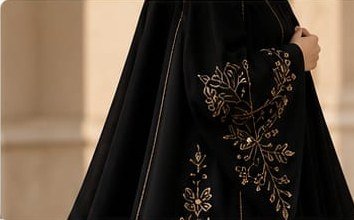 Fabrics & Materials
 Crepe, nida, silk and chiffon: what each fabric offers and when to wear it.
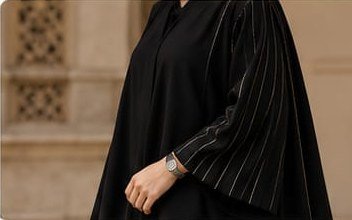 Fabrics & Materials
 A practical comparison of the two most popular crepes in Serdab shops.